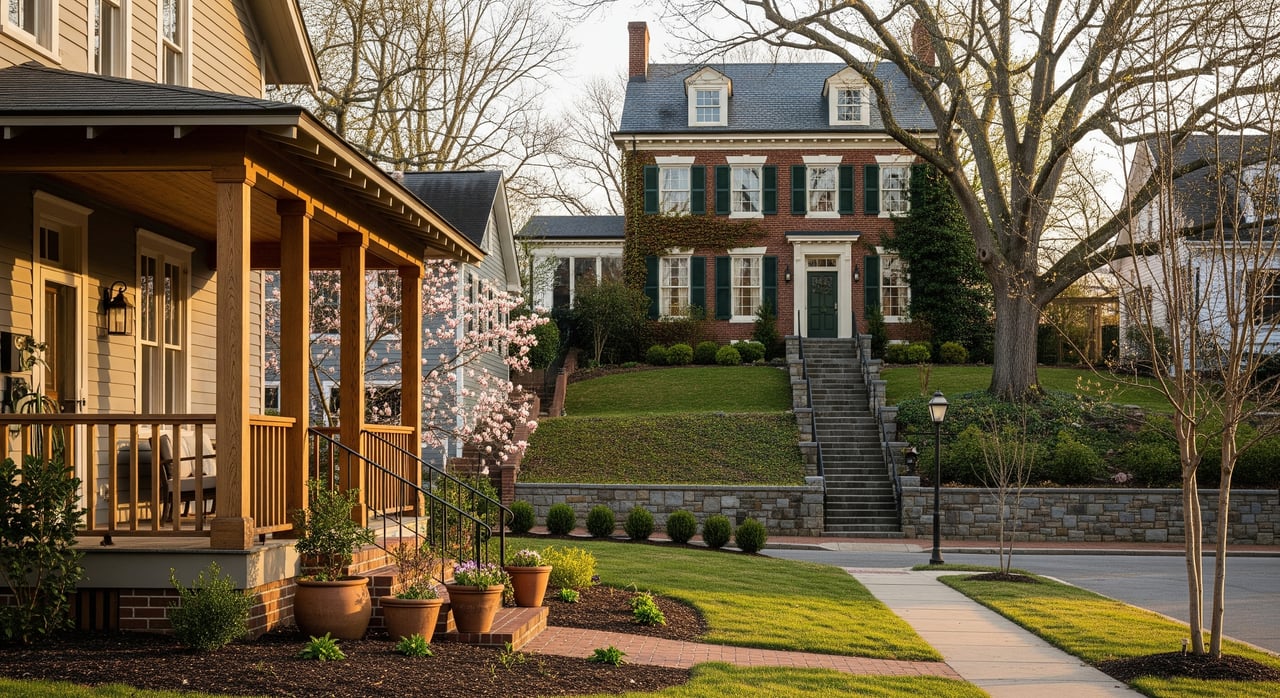
Torn between Carrboro and Chapel Hill? You are not alone. These neighboring Orange County towns share a school district and a connected street and greenway network, yet the day-to-day feel can be very different. In this guide, you will compare walkability, arts and dining, parks, housing styles, and commute options so you can choose the lifestyle that fits you best. Let’s dive in.
Quick snapshot: who fits where
If you want a compact downtown, independent shops, live music, and an easy, small-town pace, you may feel at home in Carrboro.
If you want a broader range of housing, university-backed arts and amenities, and larger municipal services, Chapel Hill often delivers.
Most households blend both. The towns connect closely, so you can live in one and enjoy daily routines in the other.
Walkability and daily errands
Carrboro walkability
Downtown Carrboro centers around a tight Main Street area where you can walk between cafés, independent shops, and music venues. Streets feel scaled to people, which makes short trips on foot easy. Sidewalks and trails tie into Chapel Hill, so you can cross town lines without getting in the car.
Chapel Hill walkability
Franklin Street stretches along UNC and downtown Chapel Hill, mixing restaurants, campus buildings, and civic spaces. Areas near campus are very walkable. Farther out, neighborhoods become more car-oriented. Mixed-use spots like Southern Village offer a walkable cluster of homes, dining, and services.
How to test walkability
- Walk a 10-minute loop from a listing to see what you can reach safely and comfortably.
- Look for continuous sidewalks, safe crossings, and bike lanes.
- Check greenway access and whether trails connect to downtown corridors.
- Note where you would buy groceries, grab coffee, and take kids to a park.
Arts, live music, and dining
Carrboro’s creative energy
Carrboro is known for independent arts and a strong live music culture. You will find intimate venues, local arts nonprofits, and a beloved farmers’ market that anchors weekend routines. The vibe is relaxed, creative, and very local.
Chapel Hill’s university-backed scene
Chapel Hill adds university performance halls, museums, and a wider range of restaurants, including more full-service options. Franklin Street stays active with student life and events. Many residents cross town lines for concerts, galleries, and dinner, so you can enjoy both scenes no matter where you live.
Parks, greenways, and outdoor time
Shared greenway network
Both towns invest in trails that link neighborhoods to downtowns and to each other. Creekside routes, including the Bolin Creek corridor, make it easy to run, bike, or walk without driving first. These connections are a big quality-of-life win.
Park types and programs
Chapel Hill tends to offer larger municipal parks, broader recreation programming, and access to some university outdoor amenities. Carrboro leans into neighborhood parks, community gardens, and community-scale events. Either way, you will have playgrounds, fields, and greenways within a short drive or bike ride.
Housing types and market feel
What you will find
Both towns offer older single-family homes (think early bungalow and mid-century styles), renter-heavy options near UNC (apartments and duplexes), and newer infill townhomes and condos. Chapel Hill typically has a broader mix that includes larger-lot single-family homes and planned communities. Carrboro tends toward smaller lots and more multifamily options near downtown.
Student housing impact
Areas close to campus and Franklin Street see stronger rental demand and turnover. That can shape day-to-day life with more frequent move cycles and more on-street parking. It also factors into resale strategy if you plan to hold a home for a few years.
Affordability dynamics
Limited land supply, steady demand from the university and regional employers, and overall inventory tightness can create competition for well-priced properties. Be prepared with clear goals, fast decision-making, and a strong offer plan.
Commute and transportation
Your options
You can choose from local fixed-route buses, regional bus connections to Durham and Research Triangle Park, and short-trip walking and biking options. Major roads like US 15-501, I-40, NC-54, and NC-86 connect you to nearby job centers and the airport. Peak congestion often appears on 15-501 toward Durham and on segments of I-40, and traffic builds near campus during rush hours.
How to plan your commute
- Map peak and off-peak travel times to your workplace.
- Review local and regional bus routes and headways for your typical schedule.
- Identify nearby park-and-ride lots if you plan to mix driving and transit.
Sample fits by lifestyle
- Young professionals: Consider downtown Carrboro for an easy walk to cafés and music, Franklin Street and campus-adjacent areas for nightlife, or Southern Village for a planned, walkable cluster.
- Households seeking space: Look at Chapel Hill planned communities with larger-lot single-family homes, or Carrboro neighborhoods near greenways for quick park access.
- Downsizers and empty-nesters: Explore condos near Franklin Street for cultural convenience or townhomes close to Carrboro’s center for a low-maintenance, walk-to-everything setup.
- School context: Both towns are served by Chapel Hill–Carrboro City Schools. Check current school assignment information as part of your search.
Quick metrics to check before you buy
- Downtown Walk Scores and bike network access near target listings
- Median sale price and price per square foot trends by town
- Owner and renter mix near your preferred blocks
- Mean travel time to your workplace by car and by transit
- Transit frequency for routes you would actually use
How to compare in person
- Visit at different times of day to feel traffic, noise, and parking.
- Walk to your likely daily stops (coffee, market, park) and note safety and lighting.
- Try your actual commute, including a bus trip if you plan to use transit.
- Trace a nearby greenway segment and see how it connects to your routine.
- Talk with neighbors about trash days, parking rules, and event nights.
Next steps
Choosing between Carrboro and Chapel Hill comes down to how you like to live. Both offer walkability in key pockets, strong arts and outdoor access, and a healthy mix of housing. Your best fit will match your daily routines, commute needs, and budget.
If you want a clear, side-by-side plan, we can help you compare blocks, test commutes, and dial in a purchase or sale strategy. We also coordinate staging and pre-list updates for sellers and support remote buyers with video tours and streamlined workflows. Ready to explore? Connect with Shaw Realty Group and let’s talk about your move.
FAQs
What makes Carrboro feel more walkable for daily errands?
- Its compact downtown core places cafés, shops, and venues within a short, pedestrian-friendly loop, with sidewalks and trails connecting into Chapel Hill.
How does UNC influence life in both towns?
- The university anchors jobs, arts, and events, and it shapes transit routes, parking policies, housing demand, and peak-hour traffic near campus.
Are parks and greenways similar in Carrboro and Chapel Hill?
- Yes, both invest in connected greenways and park access. Chapel Hill often has larger facilities, while Carrboro focuses on neighborhood parks and community events.
Where are larger-lot single-family homes more common?
- Chapel Hill generally offers a broader range of housing, including more larger-lot single-family options and planned communities.
Can you live car-light in either town?
- Yes in the right locations. Campus-adjacent areas, downtown Carrboro, Franklin Street, and mixed-use nodes like Southern Village support car-light living.