What does an ordinary Tuesday look like in Durham? You might grab coffee near Ninth Street, hop on I‑40 toward Research Triangle Park, then end your day catching a show at DPAC or a Durham Bulls game. If you are exploring a move, you want a clear picture of the daily rhythm, not just the highlights. This guide shows you how people live here day to day, so you can see where you fit and feel confident choosing your next neighborhood. Let’s dive in.
Everyday life at a glance
Durham blends a compact, walkable downtown with neighborhoods that stretch out into leafy, mid‑century streets and newer suburban hubs. Duke University and nearby Research Triangle Park set much of the weekday pace. You feel it in the morning commute, the lunchtime buzz downtown, and the evening crowd around the American Tobacco Campus.
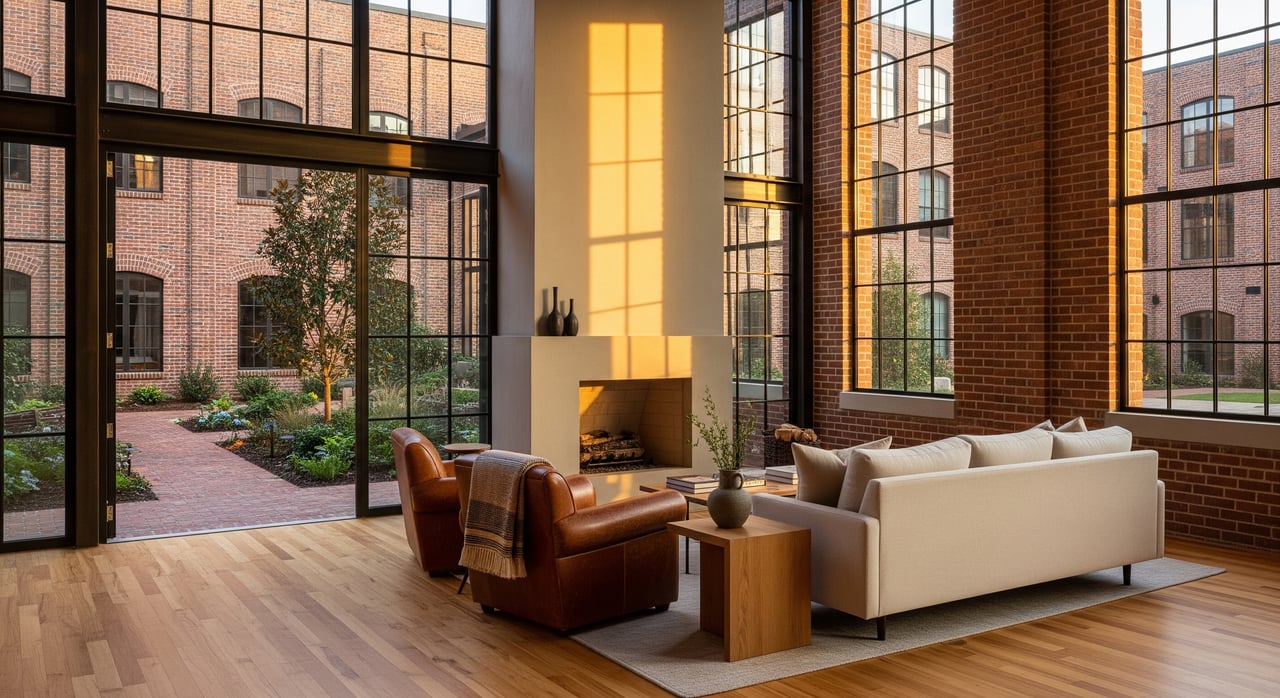
You will see adaptive reuse everywhere. Historic tobacco warehouses now hold lofts, offices, art spaces, and restaurants. New townhomes and apartments rise along main corridors, while older bungalows and craftsman homes line quiet, tree‑shaded blocks. Your routine can be as walkable or as car‑friendly as you want, depending on the neighborhood you choose.
Neighborhood rhythms to know
Downtown and nearby streets
Downtown and the American Tobacco District draw people day and night. Restaurants, cafés, offices, and live venues sit within a short walk. Nearby, Watts‑Hillandale, Trinity Park, and Old West Durham offer sidewalks, porches, and pocket parks. If you like to step out for coffee, meet friends for dinner, and catch a show without moving your car, these areas feel easy.
Ninth Street and Cameron area
Ninth Street mixes independent shops, small groceries, and long‑time cafés. It serves nearby historic neighborhoods and parts of the Duke community. You see students and professionals in equal measure, with relaxed weekday mornings and lively weekends.
South Durham and Southpoint
South Durham centers around The Streets at Southpoint and surrounding retail plazas. Big‑box stores and office parks make errands simple, and the area connects quickly to I‑40. Daily life here leans car‑oriented, with broad roads, newer subdivisions, and a straight shot to RTP.
Established suburbs
Hope Valley and Forest Hills offer larger lots, mid‑century homes, and mature trees. Your routine here may include yard time on weekends, quick trips by car for groceries, and easy access to parks. The pace is steady and residential.
Getting around
Driving is the most common way to travel in Durham. Many residents commute by car to downtown, Duke, or RTP. Morning and late‑afternoon traffic builds on I‑40, I‑85, and major arterials, so plan extra time during peak hours.
City bus service through GoDurham connects neighborhoods to downtown and key corridors. GoTriangle offers park‑and‑ride and regional routes. Service is strongest along major roads, and frequency varies by line. In central neighborhoods, you can also bike or walk for short trips. Greenways and dedicated lanes make it practical to run small errands or get to work on a bike.
If you enjoy active commuting or evening walks, the American Tobacco Trail and other greenways can be part of your daily routine. You will find joggers, dog‑walkers, and cyclists out most mornings and evenings, especially when the weather is mild.
Food, coffee, and markets
Durham’s food scene is diverse and independent. You can grab a pour‑over from a neighborhood roaster, try international cuisine at a casual spot downtown, or book a special‑occasion dinner on a weekend. Many cafés double as community hubs where you can work for a few hours or meet a friend.
Weekly farmers’ markets and community markets are part of the rhythm. You will find local produce, prepared foods, crafts, and live music on many Saturdays. It is an easy habit to build if you like to plan meals around what is seasonal.
Arts, sports, and events
On any given week, you can catch a touring show at the Durham Performing Arts Center, see a film at the Carolina Theatre, or hear live music at smaller venues. The Durham Bulls Athletic Park draws families and friends all season for baseball and fireworks nights. Festivals and street events pop up throughout the year, which keeps weekends lively without traveling far.
Parks, trails, and green time
Durham’s parks system includes neighborhood playgrounds, larger municipal parks, and regional trails. The American Tobacco Trail stretches for miles and welcomes walkers, runners, and cyclists. Ellerbe Creek greenways offer short nature breaks near central neighborhoods. On weekends, many residents head to nearby Eno River State Park for shaded hikes and water views.
If outdoor time is a priority for you, consider proximity to a trail or park when you choose a neighborhood. Being a few blocks from a greenway can change your weekday routine.
Housing styles and daily life
Your daily rhythm often follows your home type and street pattern.
- Older neighborhoods. Early 20th‑century bungalows and craftsman homes bring front porches, sidewalks, and easy access to small parks. Errands by foot are common if you live near downtown or Ninth Street.
- Mid‑century streets. Ranch homes on larger lots feel quiet and spread out. Most errands happen by car, with simple parking and quick runs to retail.
- New townhomes and apartments. You will see more multi‑family options near downtown and along main corridors. These choices can put you closer to restaurants, offices, and transit stops.
- Adaptive reuse and lofts. Converted warehouse buildings downtown deliver open layouts and a short walk to entertainment and dining. You can live a parked‑once lifestyle many evenings.
Home values and rents have generally trended upward over the past decade, shaped by job growth in the Triangle. Market conditions change month to month, so focus on lifestyle fit first, then use current data to refine your search.
Families, schools, and services
Durham Public Schools serves the city with neighborhood schools, magnets, and program choices. You will also find private and charter options in and around the city. Many families consider proximity to schools and after‑school activities when choosing a neighborhood. For the latest information on enrollment, programs, and transportation, review official district resources.
Healthcare access is a strong point. Duke University and Health System anchors a wide range of hospitals and clinics. You also have Durham County Library branches, community centers, and city recreation programs that support day‑to‑day routines for learners of all ages.
As in any city, perceptions of safety can vary by neighborhood. If this is important for your decision, consider reviewing local police reports and city data, and visit streets at different times of day to get a feel for activity levels.
Weekday and weekend rhythm
- Weekdays. Mornings start with coffee stops, school drop‑offs, and commutes to Duke, downtown, or RTP. Lunch often means a quick bite at a local café or food truck. Evenings bring greenway walks, neighborhood playground time, and dinner at a favorite spot.
- Weekends. Farmers’ markets, brunch, hikes, ball games, and festivals set the tone. Many residents aim for one big outdoor plan and one relaxed meal with friends or family.
How to choose your Durham fit
Use this quick checklist to narrow your search:
- Commute realities. How often will you go to RTP, Duke, or downtown, and at what times? Test the routes.
- Walkability vs space. Do you want to walk for coffee and dinner, or prefer a bigger yard and quiet streets?
- Home type. Bungalow, ranch, townhome, condo, or loft. Each creates a different routine and maintenance rhythm.
- Parks and trails. Is being near a greenway or larger park a weekly essential for you?
- Schools and programs. If relevant to your household, review district offerings and transportation plans.
- Budget and timing. Set a clear range, then align neighborhoods and home types that fit current market conditions.
How we help you move with confidence
You deserve a move that feels clear and well‑managed. Our boutique, full‑service approach focuses on your daily life goals first, then matches neighborhoods and homes that support them.
- Personalized planning. We listen, map commute options, and define your must‑have lifestyle features.
- Remote and relocation support. If you are out of town, we provide video walkthroughs, concise neighborhood briefings, and efficient pre‑visit schedules.
- Turnkey listing prep. For sellers, we coordinate staging, repairs, and light renovations so your home shows its best.
- Skilled negotiation and management. We guide pricing, offers, inspections, and closing with steady communication at every step.
When you are ready to explore homes that fit your everyday Durham, reach out to Shaw Realty Group. Let’s talk about your move and design a plan that feels right for you.
FAQs
What is everyday life like in Durham?
- You experience a mix of walkable downtown energy, neighborhood greenways, and easy access to dining, arts, and parks, with routines shaped by Duke and RTP work schedules.
How do commutes typically work in Durham?
- Most people drive on I‑40, I‑85, and major arterials, while GoDurham and GoTriangle serve key corridors and park‑and‑ride; expect peak‑hour congestion during morning and late afternoon.
Which Durham areas feel most walkable for daily errands?
- Downtown, the American Tobacco District, and streets near Ninth Street, Trinity Park, and Old West Durham offer short walks to cafés, shops, and parks.
What outdoor spaces are popular for everyday use?
- The American Tobacco Trail, Ellerbe Creek greenways, and local parks are common for daily walks and rides, while Eno River State Park is a nearby weekend favorite.
What home types are common in Durham?
- You will find early 20th‑century bungalows, mid‑century ranch homes, newer townhomes and apartments, and lofts in converted warehouse buildings.
What should relocating buyers know before choosing a neighborhood?
- Clarify commute needs and walkability preferences, preview schools and services if relevant, and plan a visit or video tours to test how the area supports your daily routine.