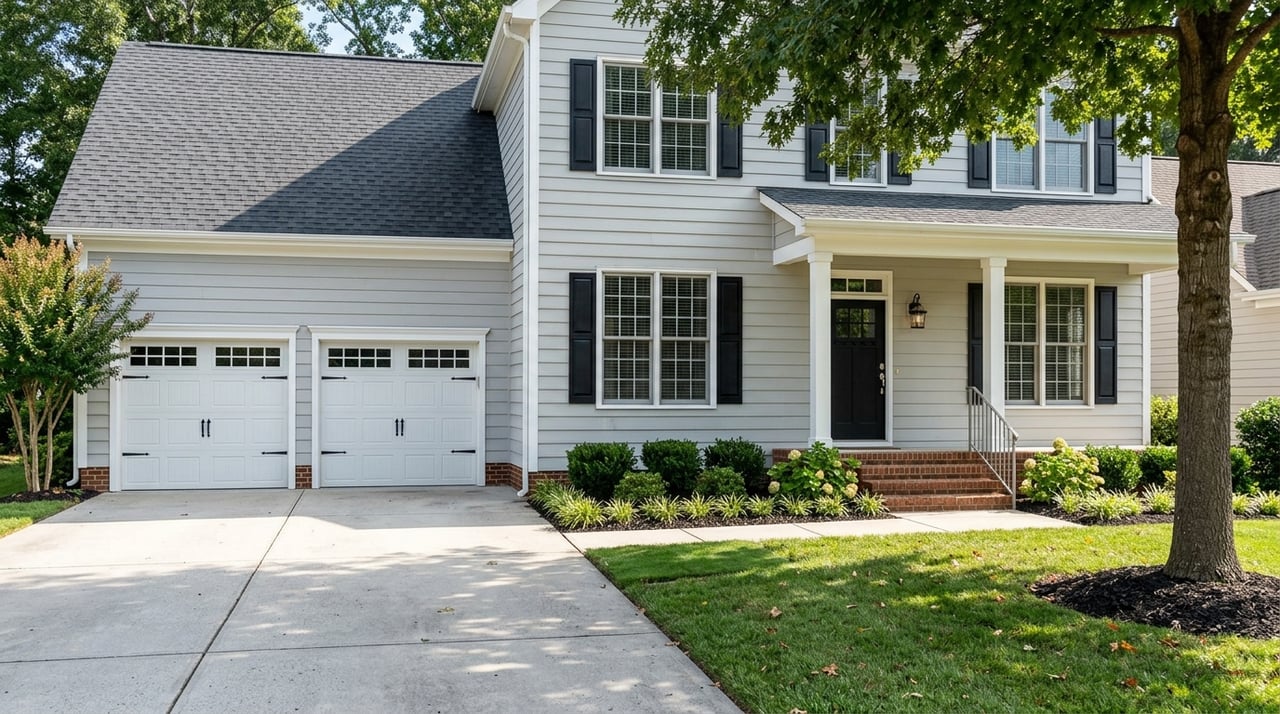
If you want to sell with confidence in Chapel Hill, preparation matters more than ever. In 27514, buyers are moving through a competitive market, but that does not mean every home sells the same way. The homes that stand out usually make a strong first impression online and in person. This guide will help you focus on the repairs, records, staging, and marketing prep that can make your sale smoother. Let’s dive in.
Why prep matters in Chapel Hill 27514
Chapel Hill’s 27514 market is very competitive. Redfin’s March 2026 data shows a median sale price of $659,500, median days on market of 51, a sale-to-list ratio of 98.7%, and 26.1% of homes selling above list price.
That kind of market can sound reassuring, but it does not mean you can skip the basics. Buyers still compare condition, presentation, and value carefully. In a market where hot homes can go pending in around 19 days, your early preparation can shape both your timeline and the strength of the offers you receive.
Start with repairs that matter most
Before you think about paint colors or porch planters, tackle the issues that could raise concerns during showings, inspections, or disclosure review. Redfin’s seller checklist specifically recommends addressing pressing problems like leaking pipes and cracked windows before listing.
In North Carolina, some issues also carry disclosure weight. The North Carolina Real Estate Commission considers facts like obvious electrical problems, flood-zone status, and restrictive covenants or HOA status to be material facts that brokers must make reasonable efforts to discover and disclose.
Focus on safety and visible defects
Start with anything that looks neglected, unsafe, or likely to trigger buyer hesitation. Even small visible problems can make buyers wonder what else has been overlooked.
Prioritize items such as:
- Leaking plumbing
- Cracked windows
- Obvious electrical malfunctions
- Water damage or staining
- Broken fixtures or hardware
- Heavily worn flooring or damaged trim
These fixes do more than improve appearance. They help reduce avoidable questions and keep attention on your home’s strengths.
Check past updates for permits
If you have completed renovations or major system work, verify the paperwork before listing. NCREC case guidance notes that work such as HVAC changes, electrical improvements, water heater replacement, and internal structural changes can require permits.
That matters because unpermitted work can become a material issue during the sale. If you are unsure what was permitted, it is better to sort that out early than have it surface after your home is on the market.
Know Orange County’s process
For Chapel Hill-area sellers, Orange County’s permit process may involve more than one review step. Depending on the work, the county’s workflow can include Building Inspections, Environmental Health approvals for septic or wells, erosion or stormwater review, fire marshal review, planning review, and final sign-off for compliance or occupancy.
If you are planning repairs or updates before listing, give yourself enough time. A rushed project can create delays right when you want to be scheduling photos and showings.
Gather documents before you list
A confident sale is not just about how your home looks. It is also about being ready with the information buyers may ask for.
North Carolina law requires most residential transfers of one to four dwelling units to include a Residential Property and Owners' Association Disclosure Statement and a Mineral and Oil and Gas Rights Mandatory Disclosure Statement. These disclosures must be delivered no later than the time the buyer makes an offer.
If the forms are not delivered on time, the buyer may have a statutory cancellation right. If you later discover that something in the disclosures is materially inaccurate, the law requires prompt correction.
Build your pre-list document file
Before photos are scheduled, pull together a simple home file with:
- Disclosure forms
- HOA or mandatory covenant information
- Association contact details
- Dues and special assessment information
- Permit records
- Contractor invoices
- Warranty documents
- Receipts for recent repairs or replacements
This step can save time once your home is live. It also helps support clean communication if a buyer asks about updates, systems, or community requirements.
HOA details need attention too
If your property is subject to an HOA or mandatory covenants, the disclosure requirements are more detailed. North Carolina’s disclosure law requires information such as association contact information, dues, special assessments, services paid by dues, pending judgments or lawsuits, and transfer fees.
That is another reason to avoid waiting until the last minute. Gathering these details early can help your listing move forward with fewer surprises.
Declutter, clean, and simplify
Once repairs and records are underway, turn your attention to presentation. National staging data supports a simple but effective pattern: declutter first, clean thoroughly, and make the home feel open and easy to picture.
In NAR’s 2025 staging report, sellers’ agents most often recommended decluttering the home, cleaning the entire home, and improving curb appeal. These are not expensive ideas, but they can have a real impact on how buyers respond.
Remove distractions, not personality
Redfin recommends removing excess furniture and storage items so rooms feel larger, while avoiding a completely empty look. That balance matters.
You want buyers to notice space, light, and layout. If a room feels crowded, overfilled, or too personal, it can be harder for them to focus on the home itself.
A helpful checklist includes:
- Clear countertops and bathroom surfaces
- Thin out overstuffed closets and shelves
- Remove extra furniture that blocks walkways
- Pack away highly personal items
- Organize laundry, mudroom, and pantry areas
- Deep clean floors, windows, kitchens, and baths
Target the rooms buyers notice most
You do not have to stage every room equally to make an impact. NAR found that the most commonly staged rooms were the living room, primary bedroom, dining room, and kitchen.
That gives you a smart place to focus your budget and effort. If those rooms feel clean, bright, and functional, your listing photos and in-person showings usually benefit the most.
Use staging strategically
Staging does not have to mean a full redesign. In many cases, it means helping each room read clearly and feel inviting.
NAR reported that 29% of agents saw staged homes receive a 1% to 10% increase in the dollar value offered, while 49% observed faster sales. Buyers’ agents also said staging makes it easier for buyers to imagine the property as their future home.
Think of staging as a budget item
If you are deciding whether staging is worth it, it helps to frame it as a pre-list expense with a known range. NAR reported a median cost of $1,500 for using a staging service, compared with $500 when the seller’s agent handled staging themselves.
That does not mean every home needs the same level of help. It means staging can be planned intentionally, just like paint touch-ups or landscaping.
Keep curb appeal simple and polished
Your front exterior sets the tone before a buyer even walks in. Redfin’s curb appeal guidance includes mowing the lawn, trimming hedges, adding flowers for color, replacing a damaged mailbox, and painting or replacing the front door.
In a place like Chapel Hill, where buyers often see multiple homes in a short time, these details help your property feel well cared for. Clean, tidy, and welcoming is usually the goal.
Finish with strong listing media
Most buyers will see your home online before they ever step inside. That makes your photos and video part of the selling strategy, not an afterthought.
Redfin specifically recommends scheduling a professional photo shoot. It also reports that professionally photographed homes sold quicker and, in the $200,000 to $1 million range, for $3,400 to $11,200 more relative to list price.
Timing matters
The right sequence is important. Complete touch-ups first, then clean, then stage, and only after that schedule professional still photography and video.
This order helps your home look finished and consistent across every image. It also avoids the common mistake of shooting too early and then needing to redo media after last-minute improvements.
Photos, video, and virtual tours all help
NAR’s 2025 staging report found that buyers’ agents rated photos as highly important, followed by physical staging, videos, and virtual tours. Redfin also says that well-lit professional images and optional virtual tours can help listings stand out, drive more showings, and lead to faster offers.
For Chapel Hill sellers, that supports a clear takeaway: strong media helps buyers connect with your home before the showing is even scheduled.
A practical Chapel Hill prep plan
If you are wondering where to begin, keep it simple. The strongest pre-list plan for Chapel Hill 27514 is a triage process that starts with facts and finishes with presentation.
A practical order looks like this:
- Verify permits and gather records for past work
- Complete repairs tied to leaks, windows, electrical issues, and visible wear
- Prepare required disclosures and HOA information
- Declutter and deep clean the whole home
- Stage the living room, primary bedroom, kitchen, and dining area first
- Improve curb appeal with basic exterior touch-ups
- Schedule professional photography and video after prep is complete
This approach helps you reduce friction before your home hits the market. It also gives buyers a cleaner, clearer impression from day one.
Selling a home in Chapel Hill does not have to feel overwhelming when you have a plan. With the right preparation, you can go to market knowing your home is presented well, your documents are in order, and your next steps are clear. If you want experienced, hands-on help coordinating staging, repairs, and launch timing, Shaw Realty Group is here to help you move with confidence.
FAQs
What repairs should I make before selling a home in Chapel Hill 27514?
- Focus first on leaks, cracked windows, obvious electrical problems, water damage, and other visible defects that could affect buyer confidence or raise disclosure concerns.
What disclosures do North Carolina home sellers need before listing?
- Most sellers of one-to-four-unit residential property need a Residential Property and Owners' Association Disclosure Statement and a Mineral and Oil and Gas Rights Mandatory Disclosure Statement, delivered no later than when the buyer makes an offer.
What documents should I gather before listing a Chapel Hill home?
- Gather disclosure forms, HOA details, permit records, contractor invoices, warranties, receipts for repairs, and any records related to recent updates or replacements.
Is staging worth it for a Chapel Hill home sale?
- Staging can be worthwhile because NAR reported that many agents saw faster sales, and some saw higher offers, especially when key rooms like the living room, primary bedroom, kitchen, and dining room were staged.
Is professional photography important when selling a home in 27514?
- Yes. Since most buyers view homes online first, professional photos, video, and virtual tours can help your listing stand out and support stronger showing activity.